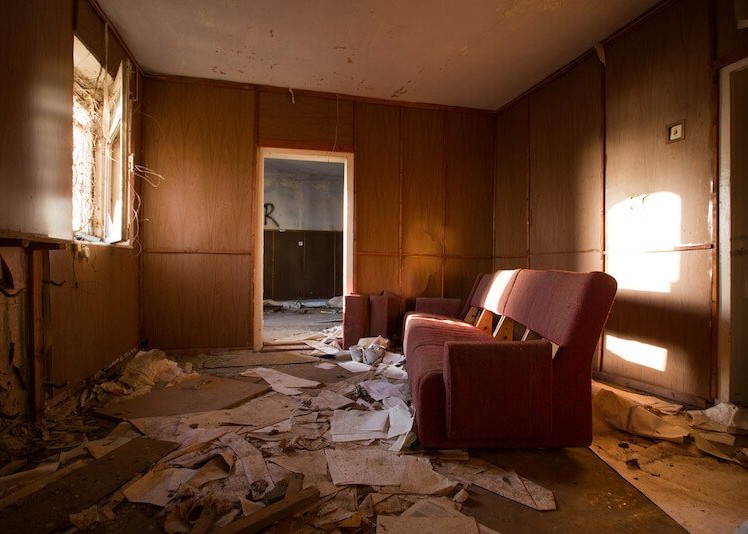
Squatters in Your Houston Property? Here’s What You Need to Know About Selling
Finding out someone is living in your property without permission can feel overwhelming fast.
Maybe it’s a former tenant who refused to leave after the lease ended. Maybe you inherited a house and discovered someone moved in while it sat vacant. Or maybe you own a property you haven’t checked on in a while and suddenly realize it’s being occupied by someone who shouldn’t be there.
No matter how it happened, one question usually comes next:
Can you still sell a house with squatters or unauthorized occupants inside?
In many cases, yes—you can.
But situations like this come with legal complications, financial stress, and plenty of frustration. Knowing what you’re dealing with makes a big difference.
Here’s what Houston homeowners should understand about squatters, unauthorized occupants, Texas law, and the options available to move forward.

Not Every Occupant Situation Is the Same
The first thing to understand is that not all unauthorized occupants are treated the same under Texas law.
That distinction matters because it affects what steps you’ll need to take.
Holdover Tenants
A holdover tenant is someone who originally had permission to live in the property—usually through a lease or rental agreement—but stayed after that agreement ended.
Common examples:
The lease expired and they stopped paying rent
You gave notice to vacate and they ignored it
They simply refuse to leave
Even if they no longer have the right to stay, Texas law still gives them certain protections because they originally occupied the property legally.
That means removing them usually requires formal eviction.
Squatters or True Unauthorized Occupants
A squatter is different.
This is someone who moved into the property without ever having legal permission.
This often happens with:
Vacant homes
Inherited properties
Foreclosures
Homes sitting empty during probate or transition
Sometimes squatters enter through unlocked doors or broken windows. Sometimes they change locks or attempt to establish residency.
In some rare cases, long-term occupants may try to claim rights through adverse possession, which we’ll discuss shortly.
What Texas Law Says
This is where many homeowners accidentally make things worse.
Your first instinct might be to:
Change the locks
Remove belongings
Shut off utilities
Force them out
That’s understandable—but in Texas, those actions can create legal problems for you.
You Cannot Remove Them Yourself
Texas generally prohibits what’s called self-help eviction.
That means even if someone has no right to be in your property, you usually cannot legally:
Lock them out
Throw away their belongings
Cut water or power to force them out
Physically remove them
Doing so can expose you to civil liability.
As frustrating as that sounds, following the proper legal process protects you.
The Texas Eviction Process
Whether you’re dealing with a holdover tenant or a squatter, formal legal removal often follows a similar process.
Step 1: Serve Written Notice
You typically start by serving a written notice to vacate.
For many holdover tenant situations in Texas, this means providing at least three days’ notice, unless the lease says otherwise.
Step 2: File for Eviction
If the occupant refuses to leave, the next step is filing an eviction case—also called a forcible detainer action—in the local Justice Court.
This is usually filed in the precinct where the property is located.
Step 3: Court Hearing
Both parties present their side.
If the court rules in your favor, you receive a judgment granting possession of the property.
Step 4: Writ of Possession
If they still refuse to leave, the court can issue a writ of possession.
A constable then physically removes the occupants.
In straightforward cases, the process can take a few weeks. If there are disputes or appeals, it can take significantly longer.
What About Adverse Possession?
You may have heard the term adverse possession and wondered whether squatters can actually take ownership.
In Texas, adverse possession generally requires someone to occupy a property openly and continuously for many years—often around 10 years, depending on circumstances.
Most squatter situations do not qualify.
Still, if the property has been vacant for a long time—especially an inherited home or neglected investment property—it may be worth speaking with a real estate attorney.
Why Selling Gets Complicated
Unauthorized occupants can make selling much harder.
Traditional Buyers Usually Walk Away
Most buyers don’t want to inherit an occupancy problem.
And lenders typically won’t finance homes with unresolved possession issues.
That dramatically shrinks your buyer pool.
Damage May Be Involved
Unauthorized occupants don’t always take care of the property.
Common issues include:
Interior damage
Missing fixtures or appliances
Trash buildup
Plumbing or electrical problems
That can add repair costs on top of everything else.
The Emotional Stress Is Real
This part gets overlooked.
Having someone occupy your property without permission can feel deeply violating—especially if the house belonged to a loved one or carries sentimental value.
That emotional burden alone can make homeowners want a simpler exit.
Your Options for Moving Forward
Option 1: Resolve the Occupancy Issue, Then Sell Traditionally
If maximizing sale price is your main goal, you may choose to complete the eviction process first and then list the property on the market.
This route may make sense if:
You have time
You can manage the legal process
The property is in decent condition
The downside?
Eviction can take weeks or months, and repairs may still be needed before listing.
Option 2: Sell As-Is to a Cash Buyer
For many Houston homeowners, this is the path that creates the least stress.
At Charmshomebuyers.com, we regularly evaluate difficult property situations—including homes with squatters, holdover tenants, or other occupancy complications.
Here’s how it works.
How a Cash Sale Can Help
Be Honest About the Situation
Tell us what’s happening.
Who’s occupying the property?
How long have they been there?
Has any legal action started?
The more we know, the better we can assess your options.
We Evaluate the Property As-Is
We factor everything into the offer:
Occupancy issues
Condition of the property
Potential repair costs
Time and legal effort required
The offer may be lower than a fully vacant move-in-ready home, but it gives you something many sellers need most:
A clean way out.
You Can Move On
In some cases, we may purchase the property even while the occupant issue is ongoing.
That means instead of handling everything yourself, you transfer the problem to a buyer experienced in resolving complex situations.
For many sellers, that peace of mind matters more than squeezing out every last dollar.
What You Should Do Right Now
If you’re currently dealing with squatters or unauthorized occupants, here are smart next steps.
Document Everything
Take photos, videos, and keep records of:
Occupancy
Property condition
Communication
Notices served
Documentation matters.
Don’t Escalate the Situation
Avoid confrontation or attempts at forced removal.
Even when emotions are high, staying within the legal process protects you.
Consider Getting Help Early
Whether that means:
A Texas real estate attorney
Local law enforcement guidance
Or a trusted cash buyer
Getting clarity early often prevents bigger problems later.
How Selling to Charmshomebuyers.com Works
If you want to explore selling, the process is simple.
1. Tell Us About the Property
Share the details—occupancy situation included.
No need to clean or repair anything.
2. Get a Fair Cash Offer
We typically provide offers within 24–48 hours.
No pressure. No obligation.
3. Pick a Timeline That Works
Need to move fast?
Need time?
We work around your situation whenever possible.
4. Close and Move Forward
Once closing is complete, you’re done.
No showings.
No repairs.
No waiting on financing.
Just a straightforward sale.
Is Selling for Cash the Right Move?
This option may make sense if:
You discovered squatters in a vacant or inherited home
A former tenant refuses to leave
The property has damage you don’t want to repair
You’re exhausted and want the problem off your plate
You need a fast, simple solution
You don’t have to figure this out alone.
Need a Way Forward?
Dealing with squatters or unauthorized occupants in a Houston property can feel stressful, frustrating, and deeply personal.
But you do have options.
At Charmshomebuyers.com, we help homeowners sell difficult properties in real-world situations—including ones most traditional buyers avoid.
No pressure. No runaround. Just honest answers and a straightforward path forward.